Routine3 min read
How to prepare for your GLP-1 treatment appointment
What to track between GLP-1 appointments and what to bring: doses, weight, symptoms, lab results and the questions that tend to get left out.
What to write down between appointments
Whoever reads it on the other side has little time and looks for numbers. It helps to arrive with:
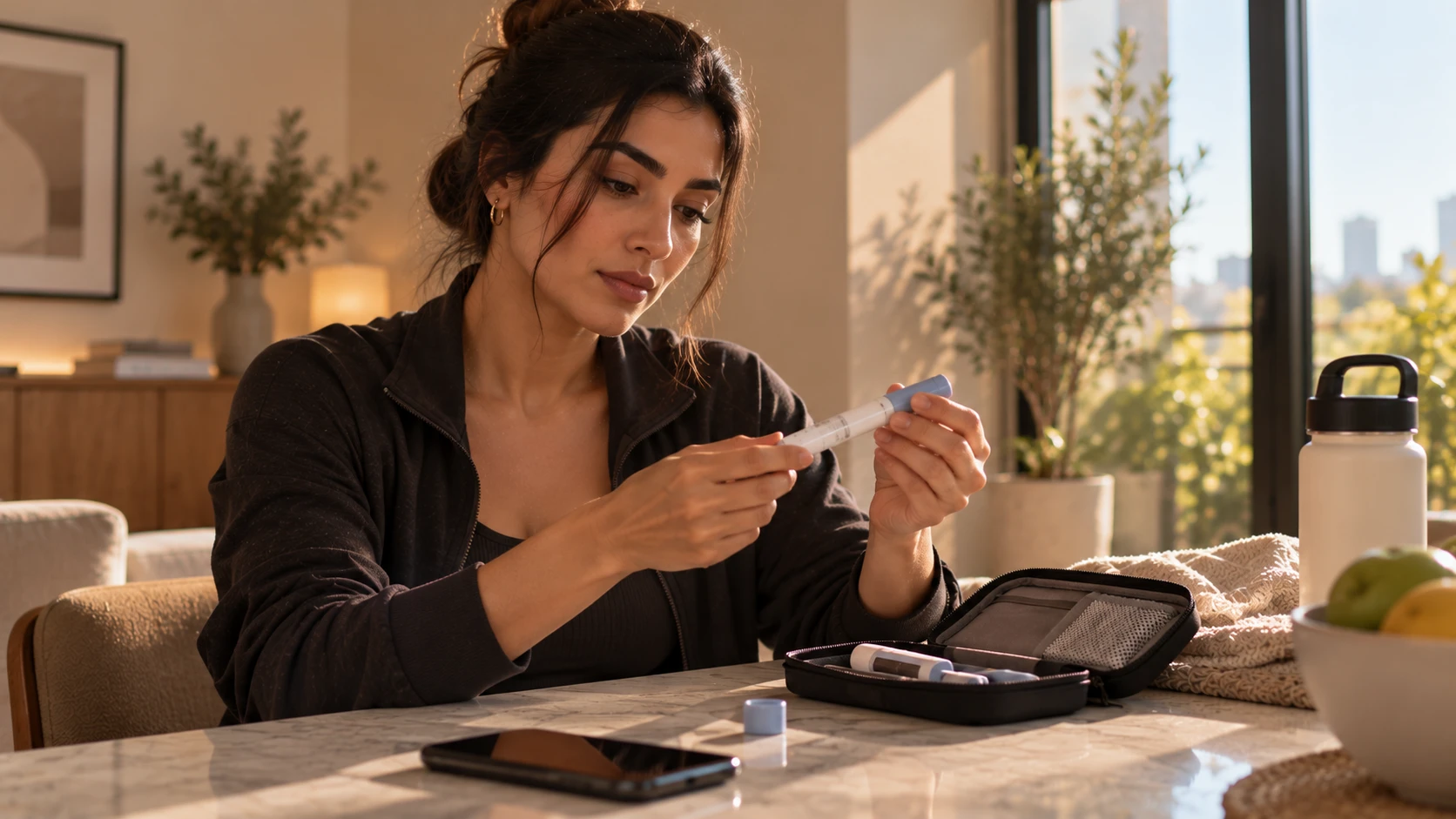
- Your doses: the name of the medication as it appears on the box, such as semaglutide (Ozempic, Wegovy, Rybelsus), tirzepatide (Mounjaro) or liraglutide (Saxenda, Victoza), plus the date and dose of each one and, if you inject, the injection site.
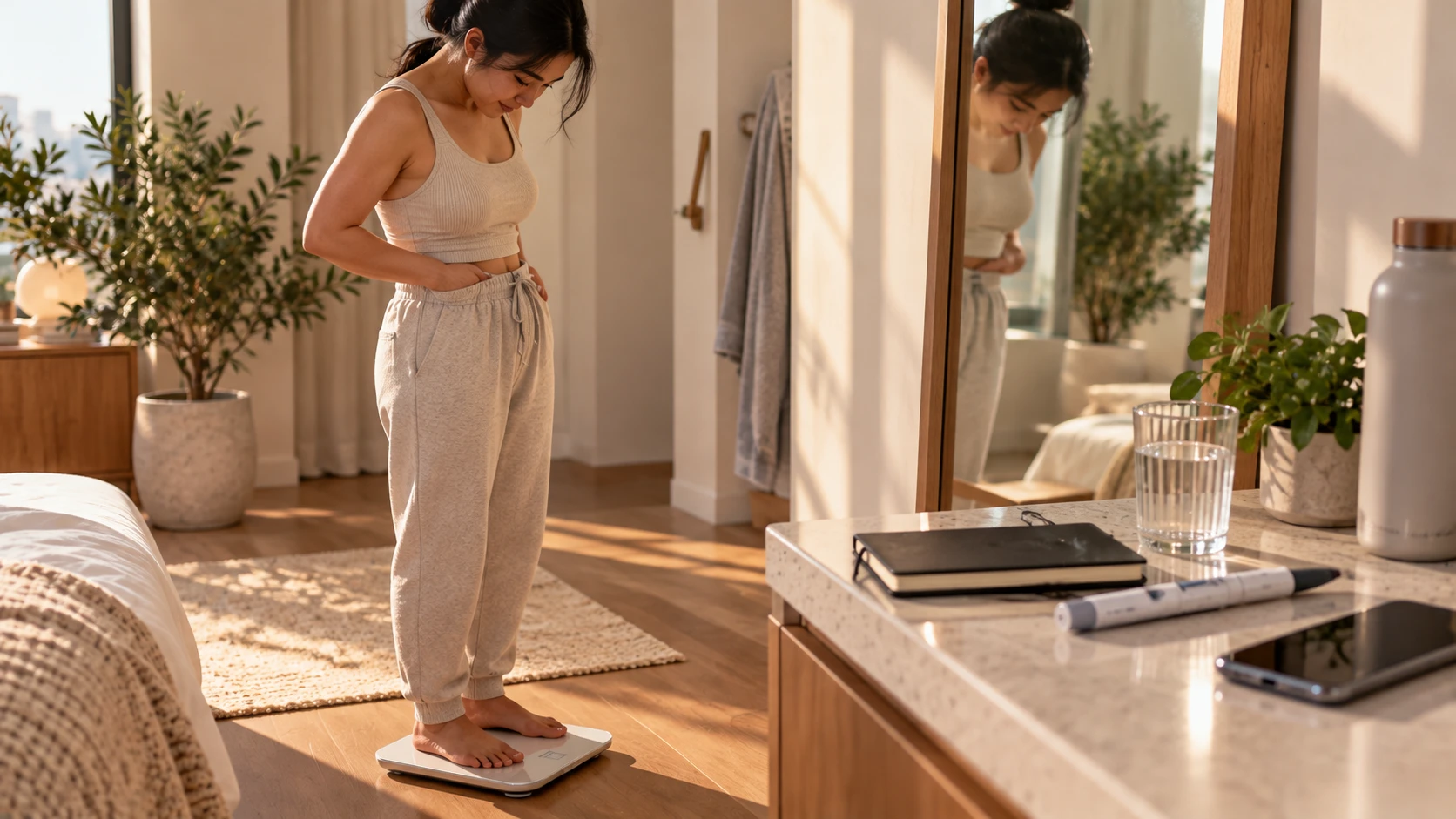
- Your weight, always at the same time of day and under the same conditions. What counts is the trend over weeks, not the number from a single day.
- Your symptoms, such as nausea, hunger, energy and sleep, and which day after the dose they show up.
- How your protein, water and movement have gone, on average.
- Your recent lab results, with the date they were drawn.
Your questions, written down on the spot
The question comes up on a Tuesday night, and your appointment is three weeks away. Write it down when it comes, however it comes. The day before, cross off what’s already been resolved and put what matters most to you at the top.
What’s worth bringing to that conversation
Some things are decisions for your care team, and the appointment is where they get settled:
- Symptoms that weigh on your day. Adjusting or delaying your dose because of them is a decision for the person who prescribes it, and your log helps with that decision.
- A protein or water goal that seems too high or hard to reach.
- Dizziness when you stand up that keeps happening, if you take blood pressure medication: as you lose weight, your blood pressure can drop, and the dose of that medication may need a review.
- Diabetes medication: any adjustment is up to the person who prescribes it.
- A tea, supplement or over-the-counter medication you’re thinking of taking.
- Kidney disease or kidney stones, which call for a protein goal of their own.
- Plans to get pregnant: the prescribing information says to stop semaglutide at least 2 months before trying, tirzepatide at least 1 month before, and liraglutide once you decide to get pregnant. The date is something you agree on with the person who prescribes it.
- Birth control pills, if you take tirzepatide (Mounjaro): it can make the pill less effective, especially after the first dose and after each dose increase. Your method is something you agree on with the person who prescribes it.
- Cost, the medication being out of stock, feeling discouraged or wanting to stop.
Surgery, endoscopy or sedation on the calendar
If you’re having a procedure with anesthesia or sedation, let the procedure team know when you schedule it, not just on the day. With a slower stomach, the risk of aspiration goes up, and sometimes the team asks for a liquids-only diet in the 24 hours before. Don’t stop the medication on your own.
When to get help
Some signs can’t wait for your appointment. Severe abdominal pain that doesn’t go away, vomiting or diarrhea that won’t stop, not being able to keep even water down, blood in your vomit or stool, a severe allergic reaction and sudden vision loss need urgent care. If you take a diuretic, blood pressure medication or diabetes medication, vomiting or diarrhea means letting your care team know the same day.
In Morphi
You jot down your questions as they come up, and we put together a one-page summary with your doses, symptoms, progress and lab results to bring to the people who care for you. The numbers are what you logged: they’re there for the conversation, and they don’t replace a medical evaluation.